
OpenSourceEmpathy is a studio working across hardware and software — concept development, product design, and experiential installation — grounded in Structured Empathy, a practice for understanding the people we build for.
Work & Experience
Concept Development
This is where ideas get to be ideas before the world has decided what they are yet. Work that earns its existence by asking the question before the industry knew to ask it.
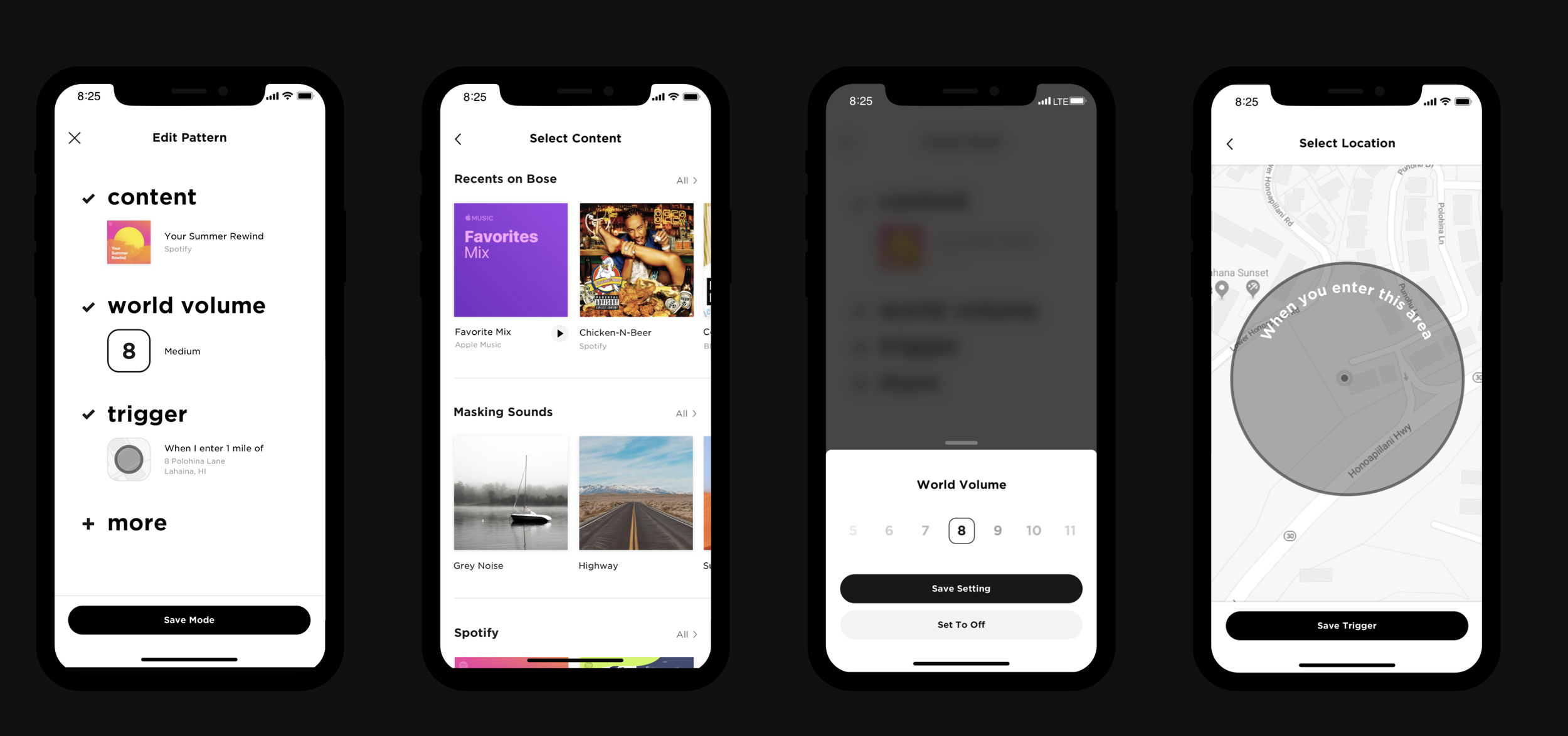
Patterns
Personalized Audio for your diverse life
Bose
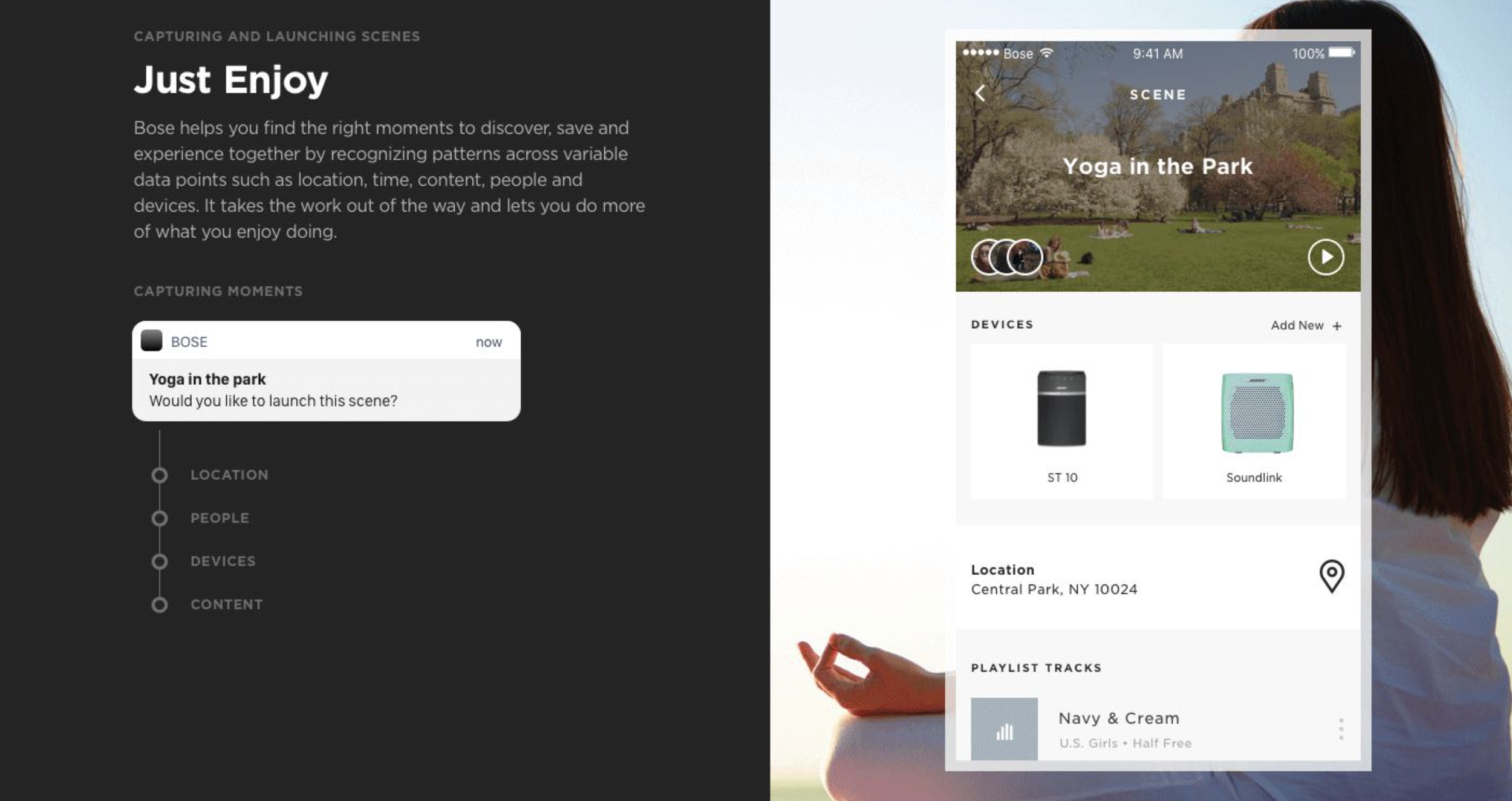
Alfred
A 4-month co-working project to imagine a fully connected audio product ecosystem
Bose
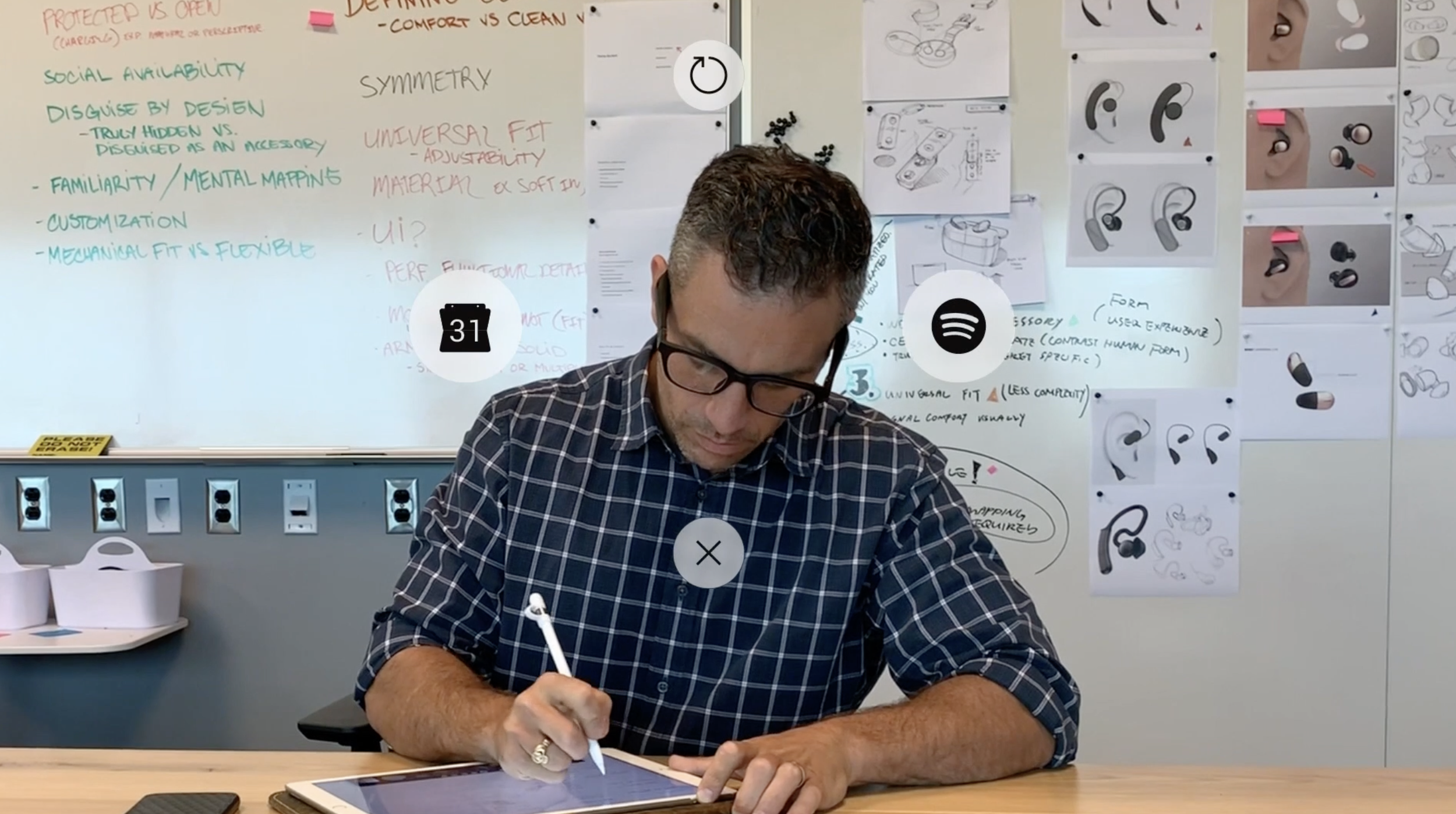
Gemini
Gestural & voice UI for wearables
Bose
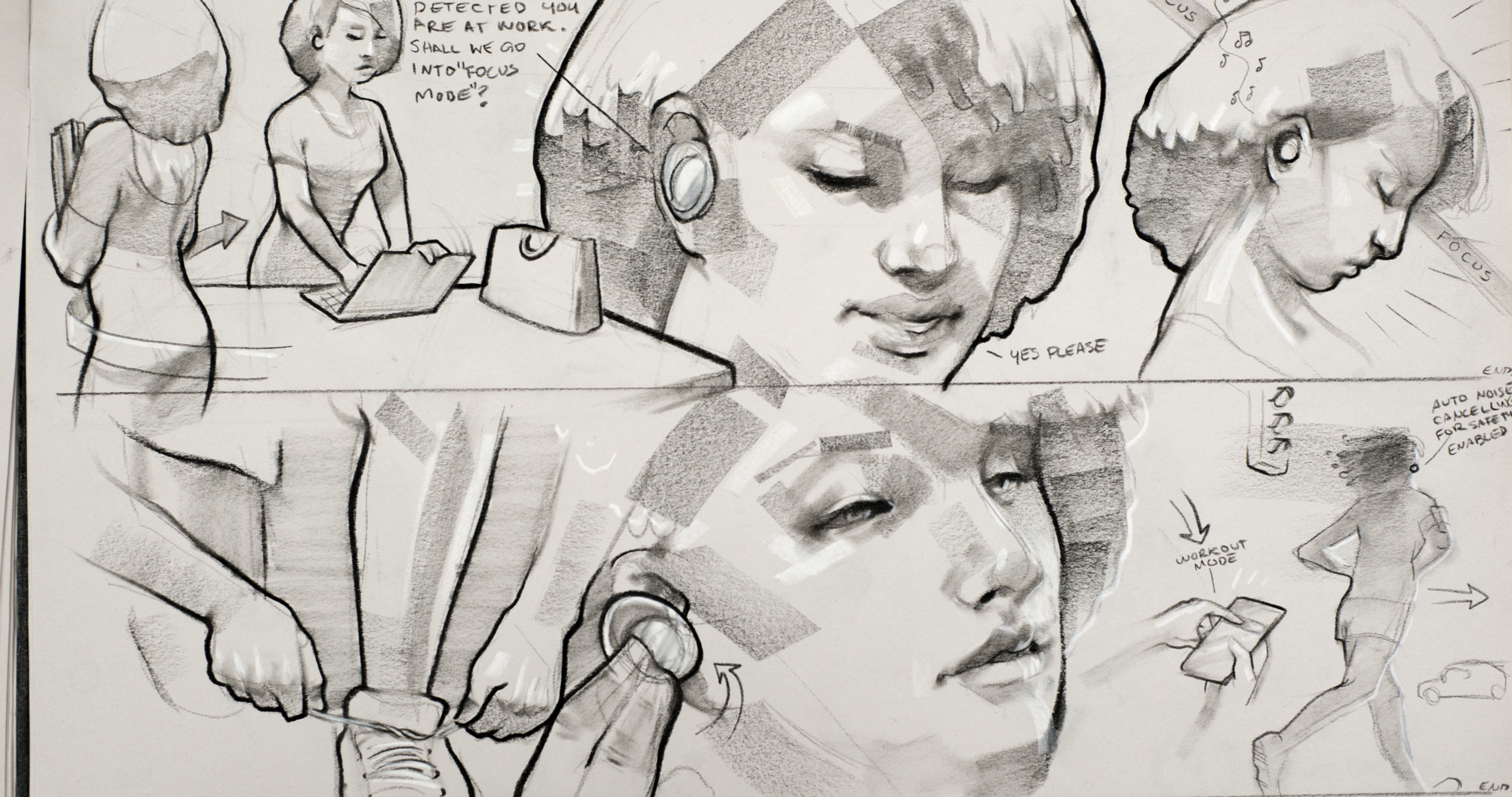
Headphones 2.0
Concepts & animatics for future wearables
Bose
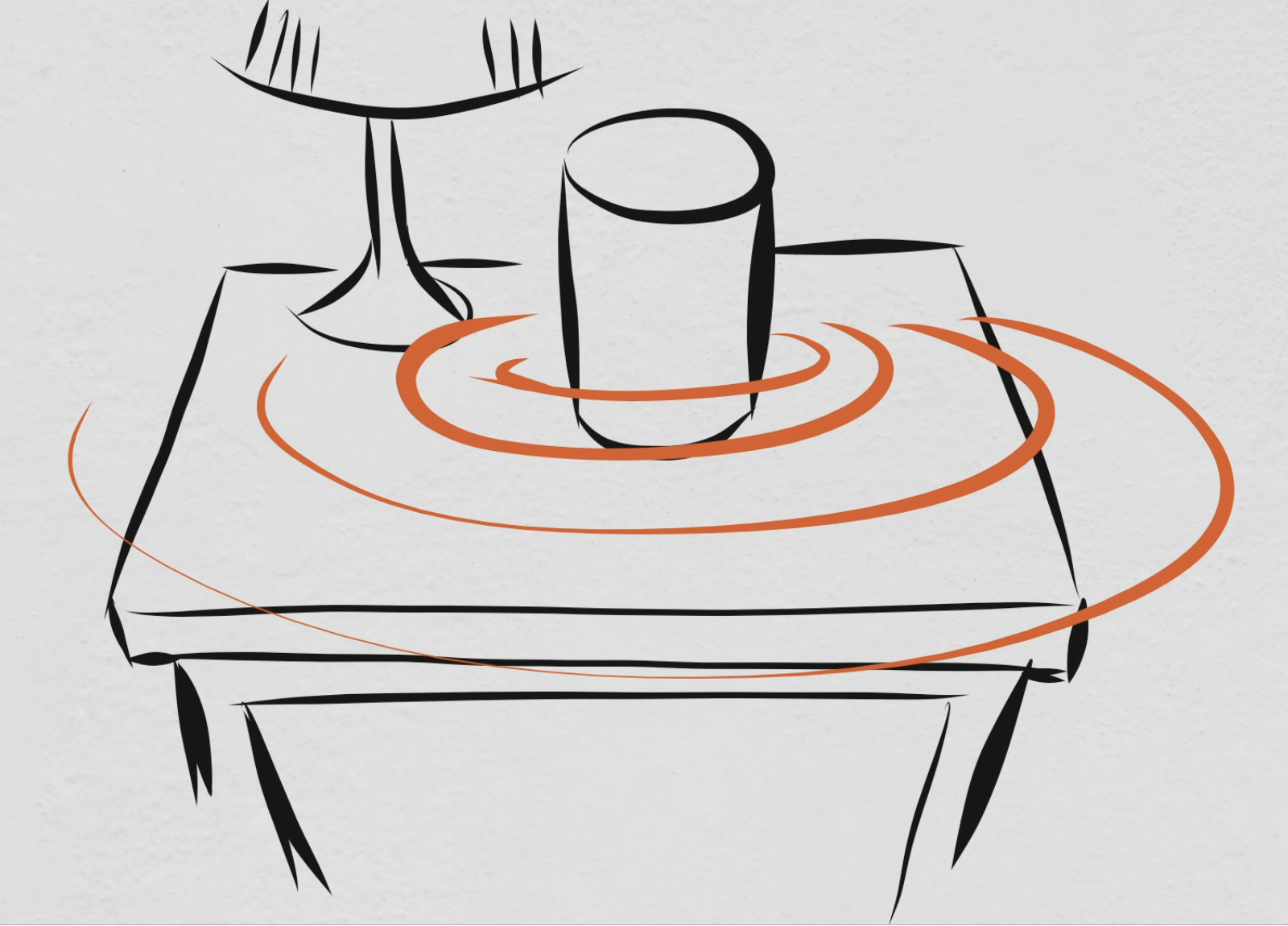
Bedside Sleep Product Intervention
Concept video for a product day in the life
Bose
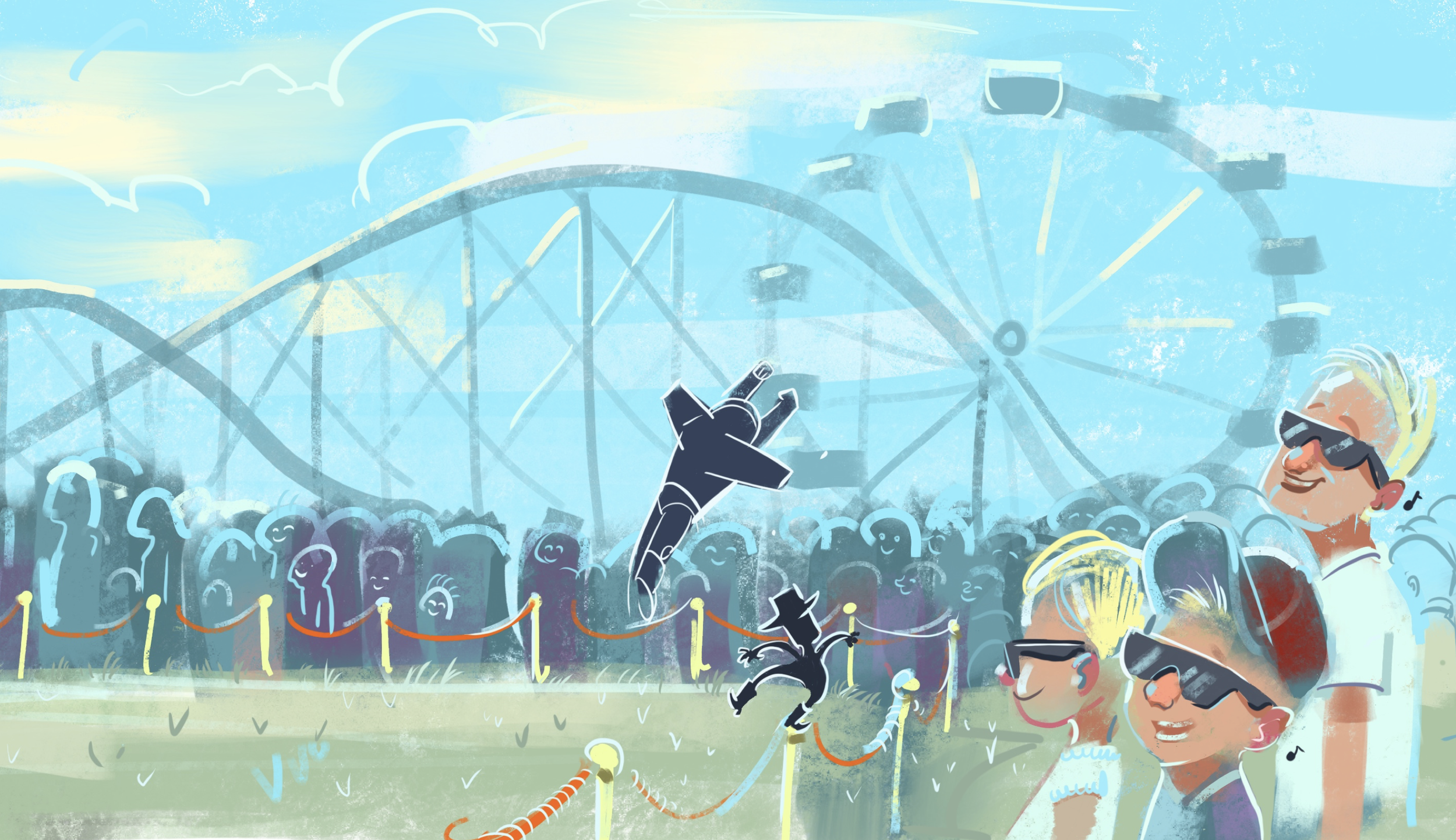
Disney + Bose AR
A storybook detailing Augmented Reality experiences within Disney parks
Bose / Disney
Product Design
This is where things get real — shipped, used, and lived with by actual humans. If the Concept Development section is about asking "what if," this section is about answering "okay, but how." Hardware, software, and the space between — work shipped for Bose and Shark/Ninja.
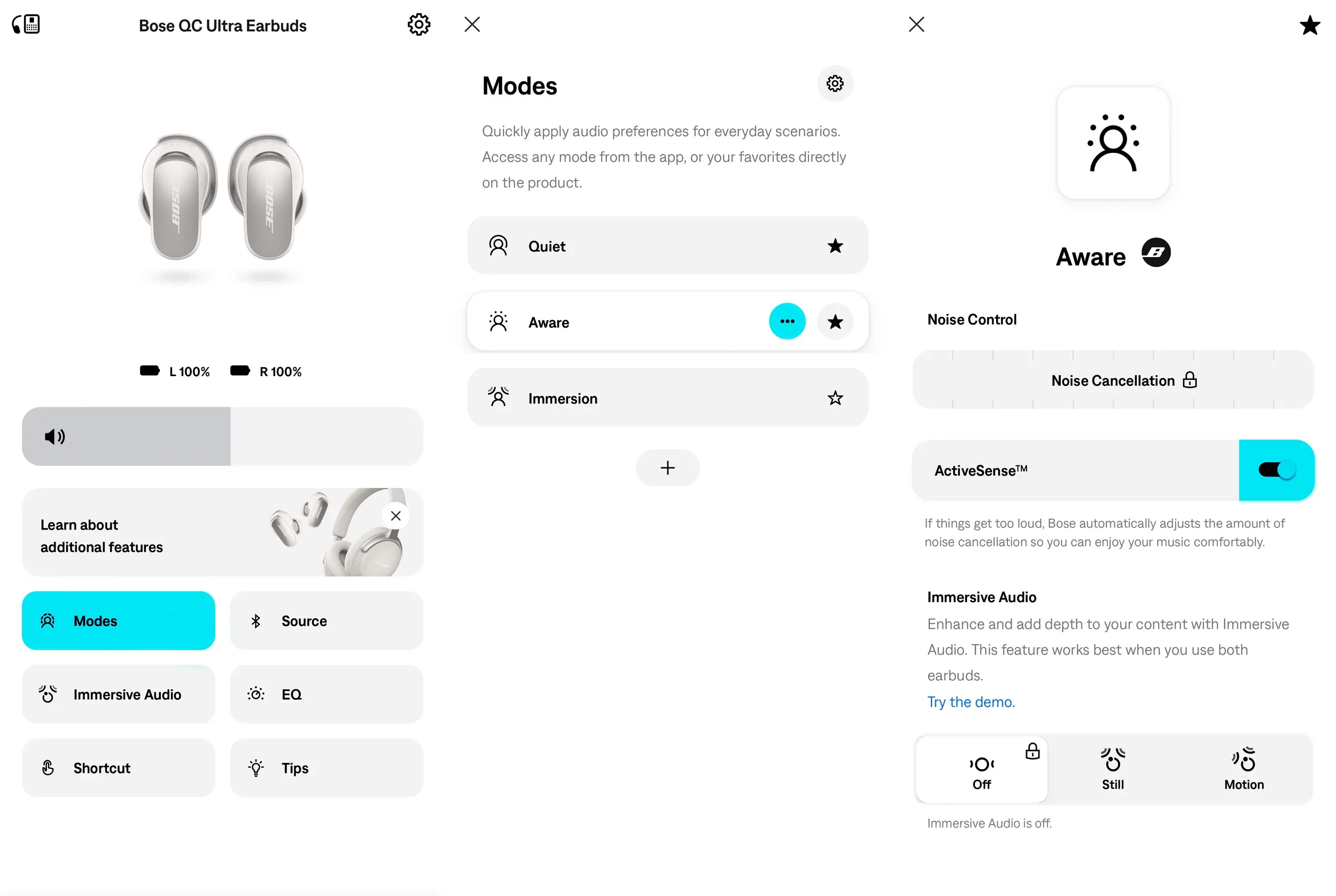
Modes & ActiveSense
Making adaptive noise cancellation something a person can understand, control, and trust
Bose
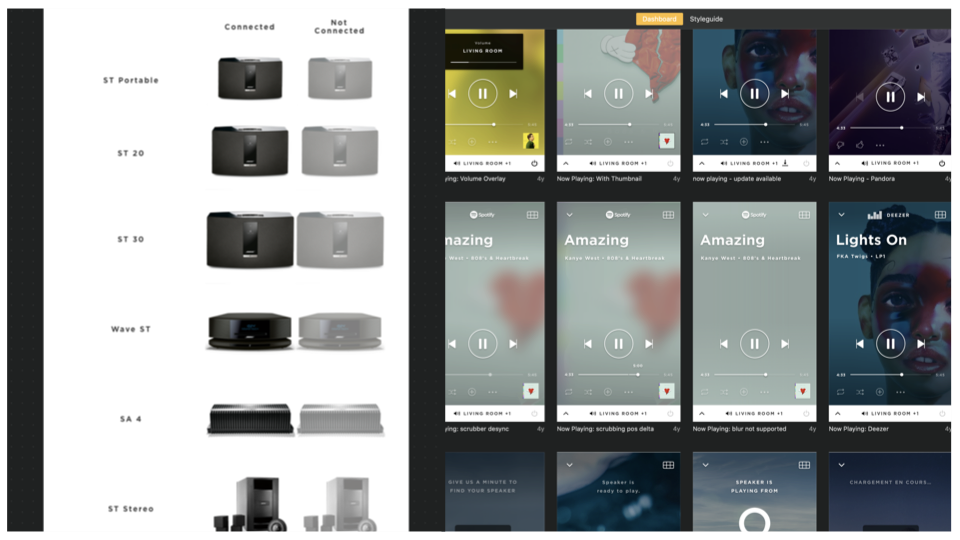
SoundTouch Mobile App
Steering a historically-hardware-focused organization into an investment in user-facing software
Bose
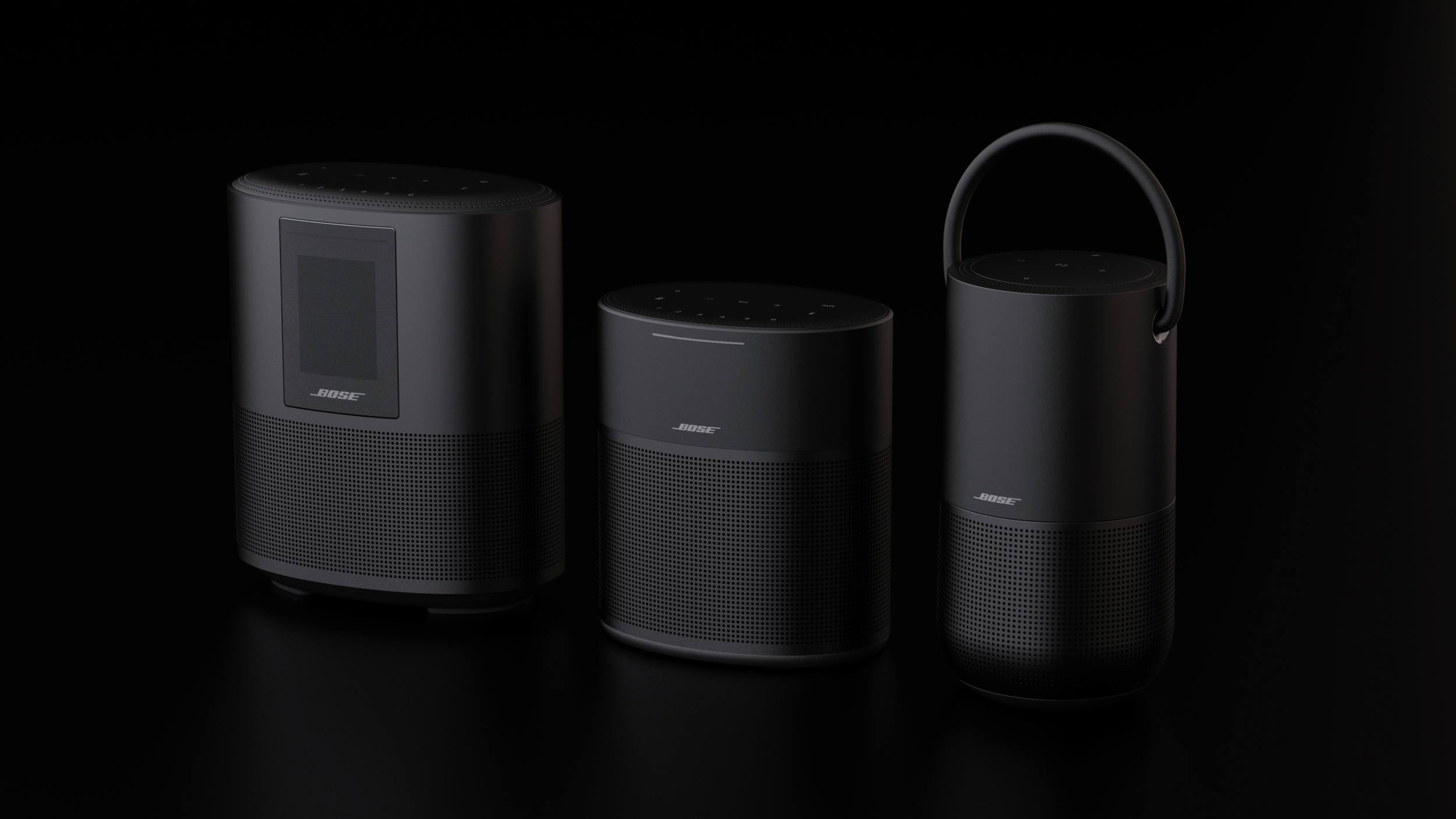
Smart Speaker Ecosystem
Lead UX and IxD for an ecosystem VPA-enabled (Amazon and Google) speaker
Bose
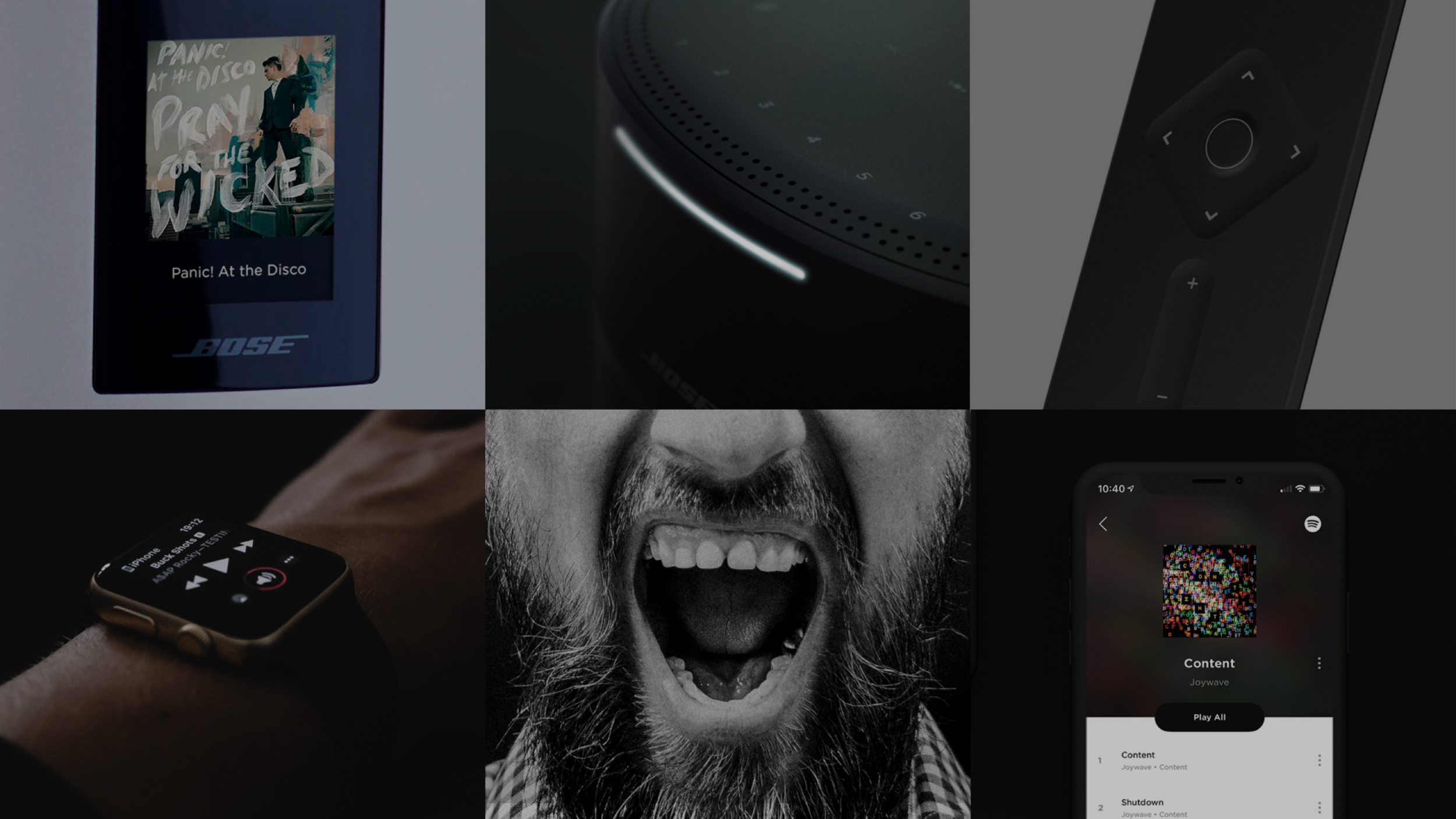
Multi-modal Design System Guidelines
A researched and documented framework for designing multi-modal product ecosystems
Bose

Beauty/Tech Product Visual Language
A collaboration with an in-house team to explore visual languages for an innovative Beauty and Tech product
Shark / Ninja
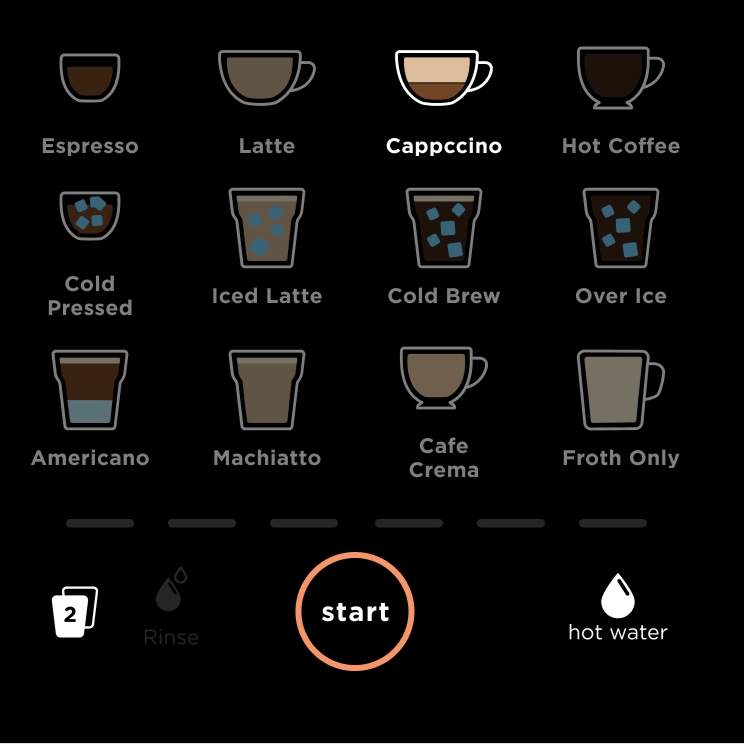
Home Barista UX
Designing and prototyping UX/UI for a new coffee/espresso product
Shark / Ninja
Experiential Installation
Hardware and software converge here too — at the scale of a room rather than something you hold. A projection-mapped sculpture, light that answers to the music in a Cambridge bar, a touring stage built for a live set. Same problem as the product work, running live, with no chance to apologize.
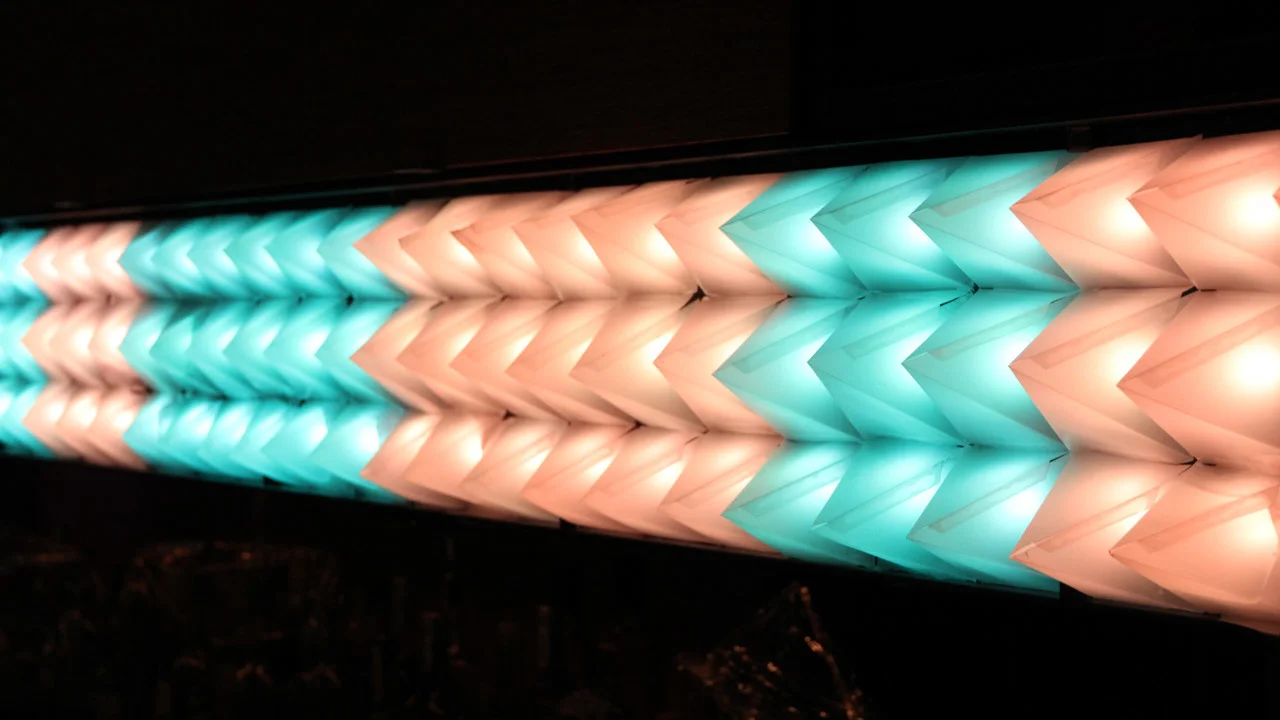
Middlesex Light Sculpture
An LED and Vellum sculpture with different animations and patterns for the Middlesex Lounge in Cambridge, MA
Middlesex Lounge
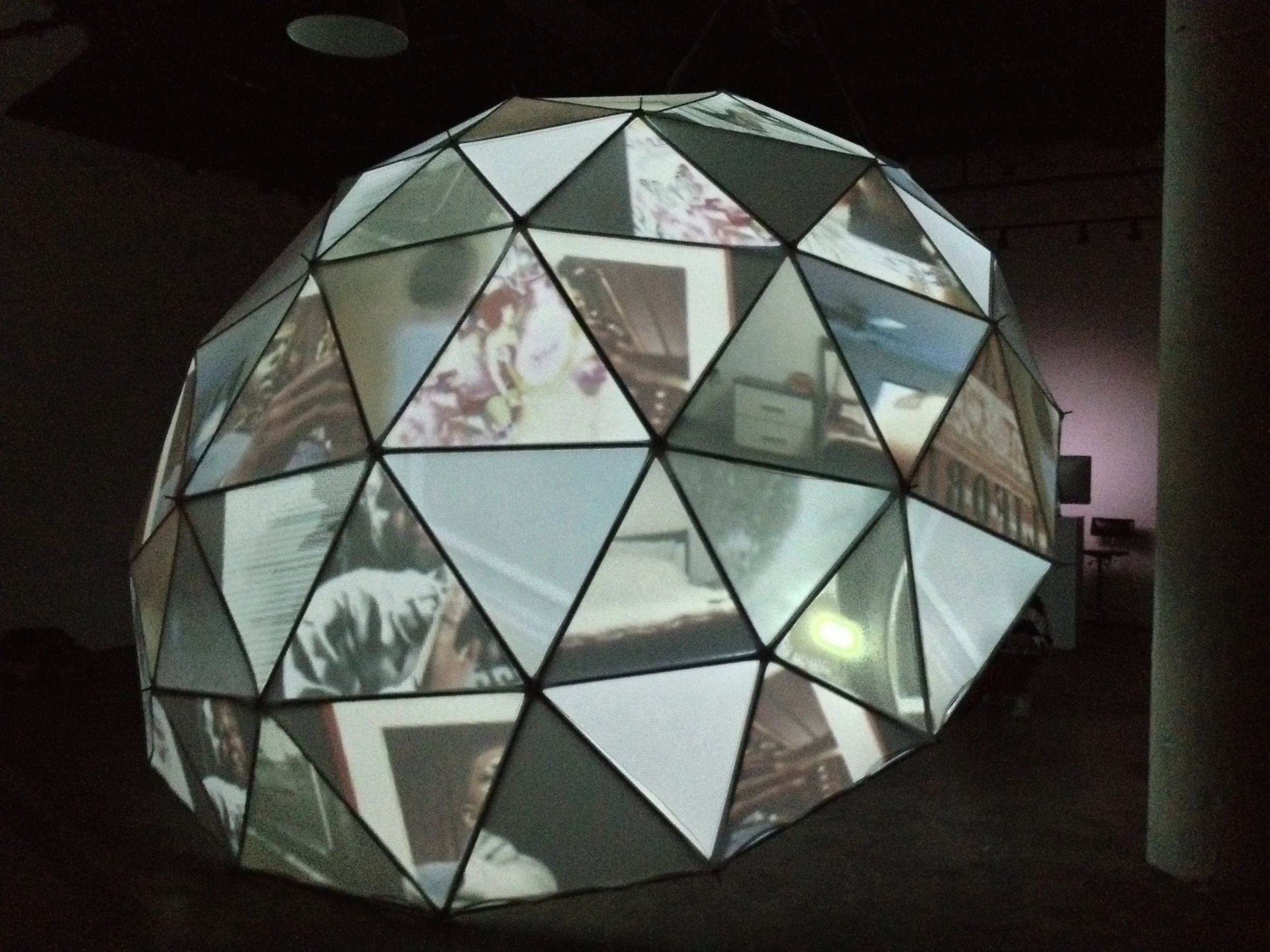
The Prometheus Clock
14 foot, projection-mapped sculpture designed to give folks the feeling of what it was like to be inside Prometheus’s head
Skeptic

Shpongletron 3.0
Stage design for the artist Shpongle, with projection mapping and LEDs.
Shpongle / Zebbler
Clients & collaborators across 20 years
Two decades across hardware and software. Role and team noted on every project.